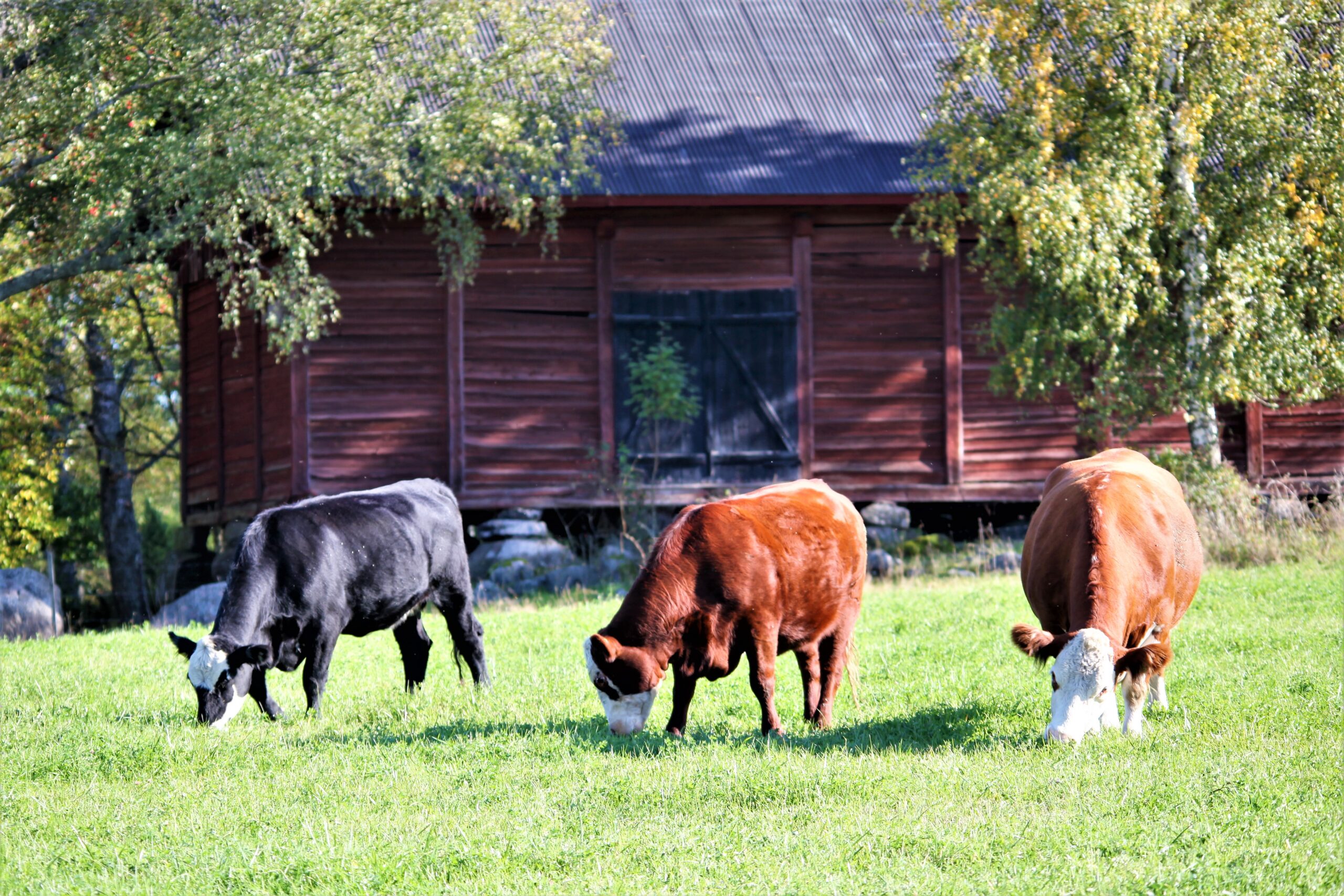

Suomen ensimmäistä hiilineutraalia lihaa!
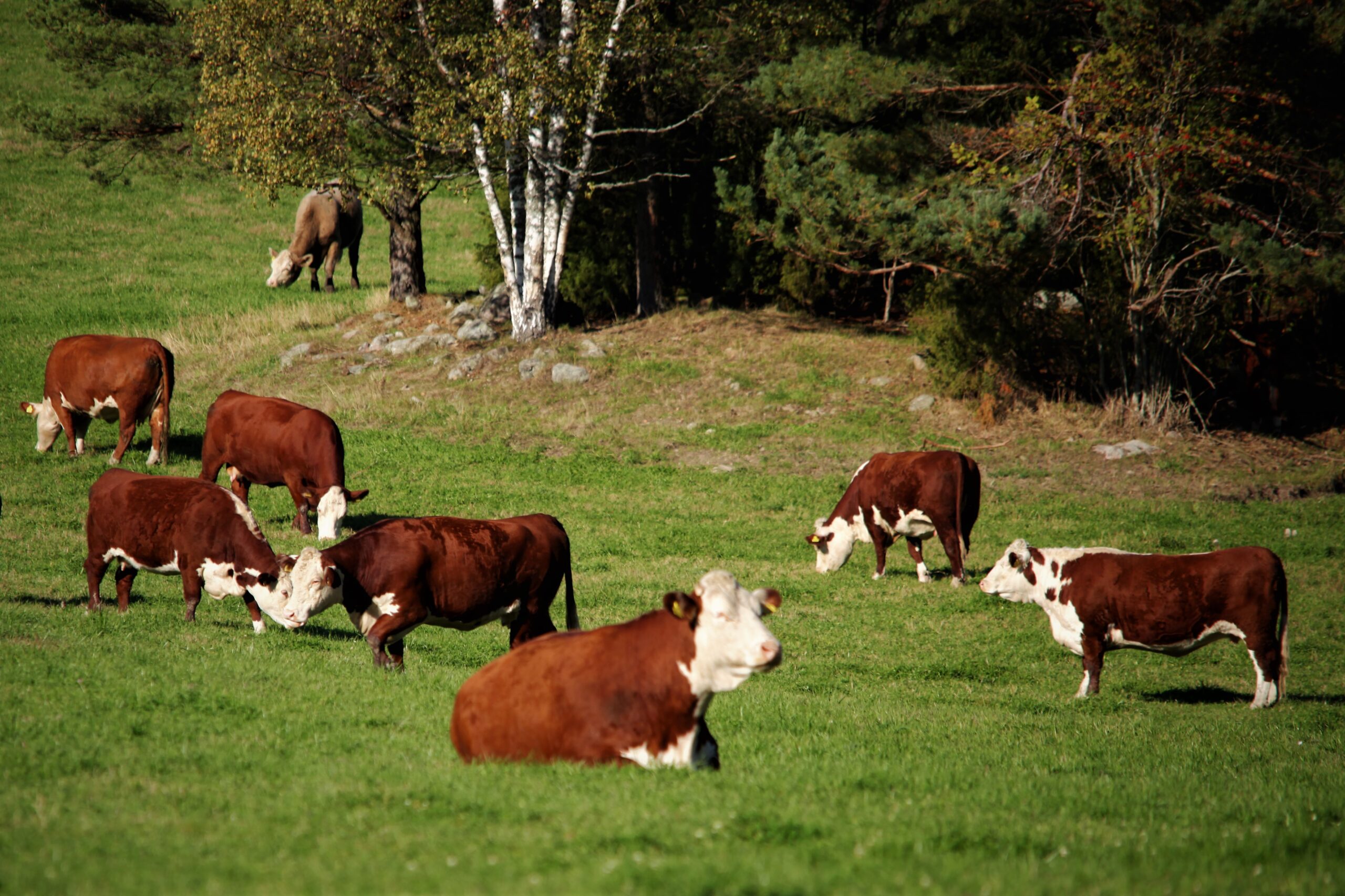
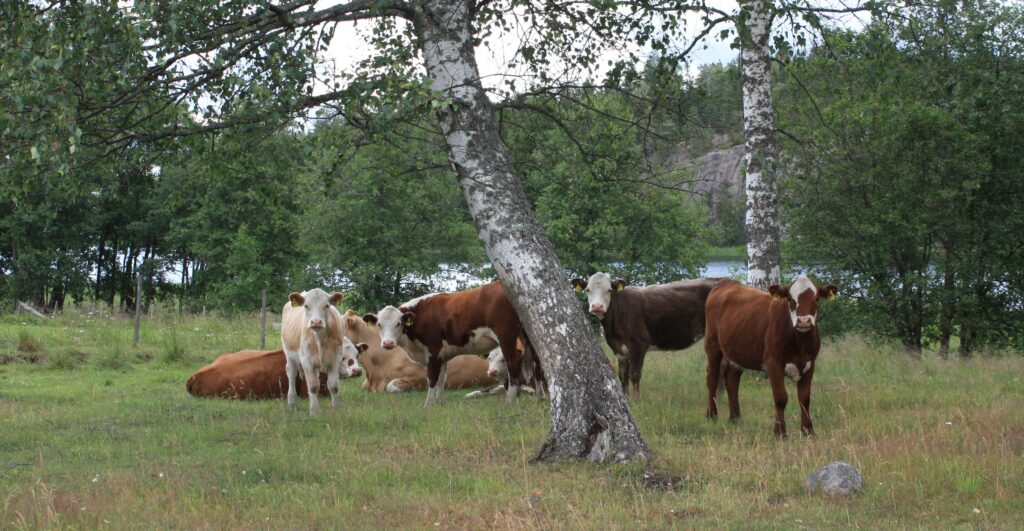
Pelloilla tuotetaan luomurehua eläimille ja luomuviljaa myyntiin. Lihatuotanto on suunnattu korkealaatuisen luomulihan myyntiin suoraan asiakkaille. Kesäkaudella tilan karja laiduntaa vapaana ylläpitäen perinteistä saariston kulttuurihistoriallisesti tärkeää luonnonmaisemaa.
Kartanon päärakennuksen on suunnitellut linnoitusupseeri Pehr Granstedt ja se rakennettiin 1804-06. 1850-luvulla talo laajennettiin arkkitehti G. H. Chiewitzin piirtämällä siipirakennuksella. Päärakennus toimii edelleen yksitysiasuntona.
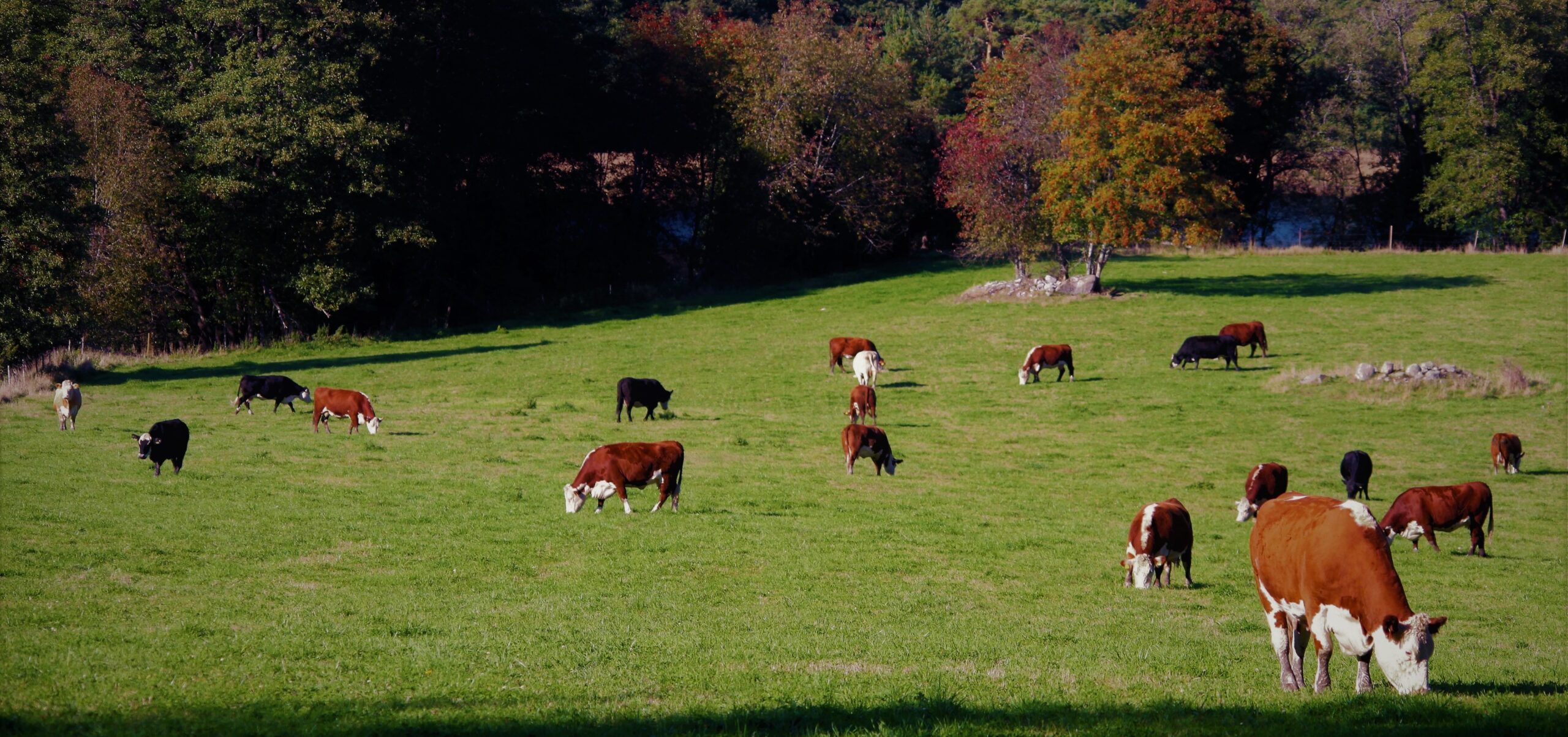
Laadukasta luomulihaa suoraan tilalta!
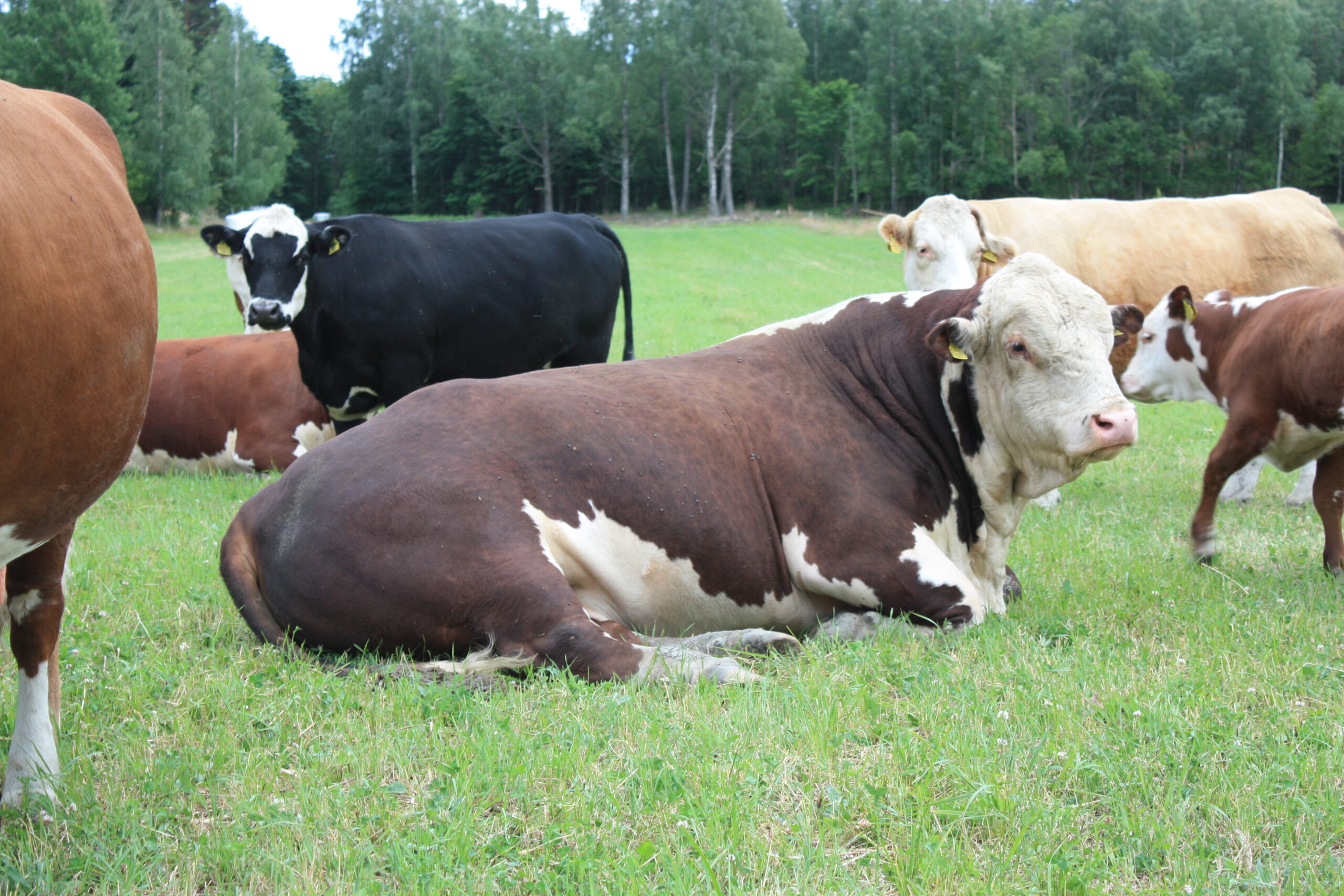
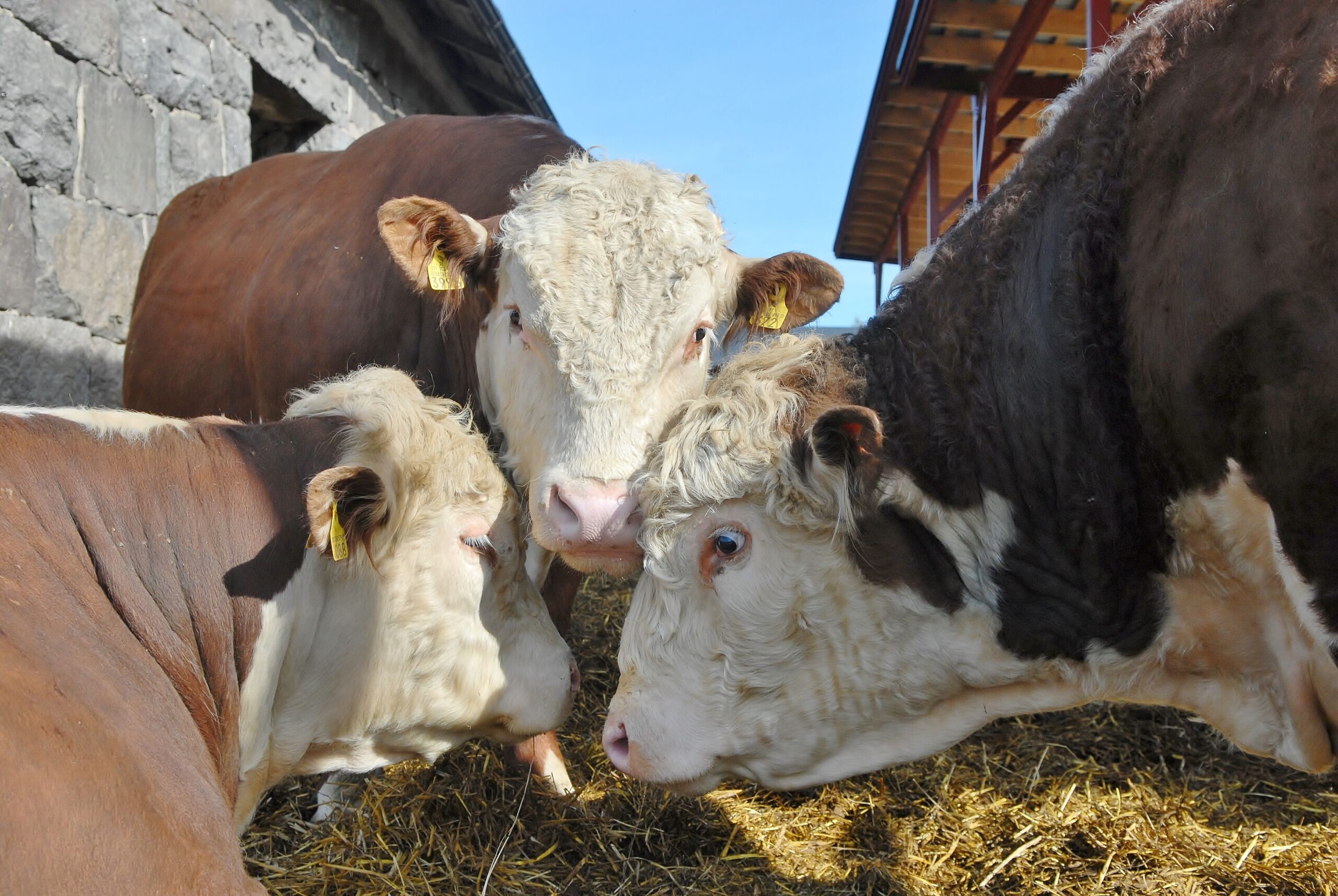
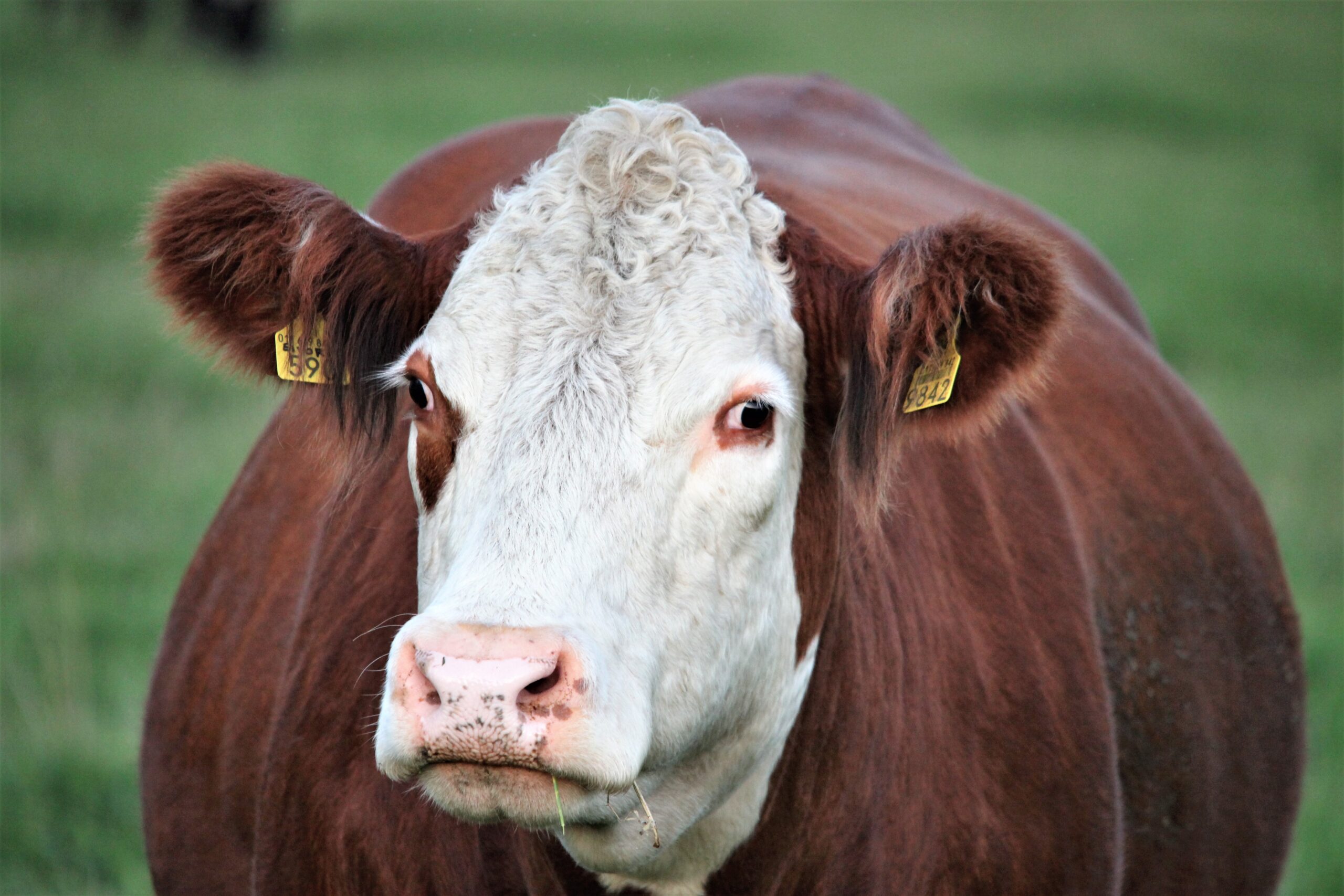
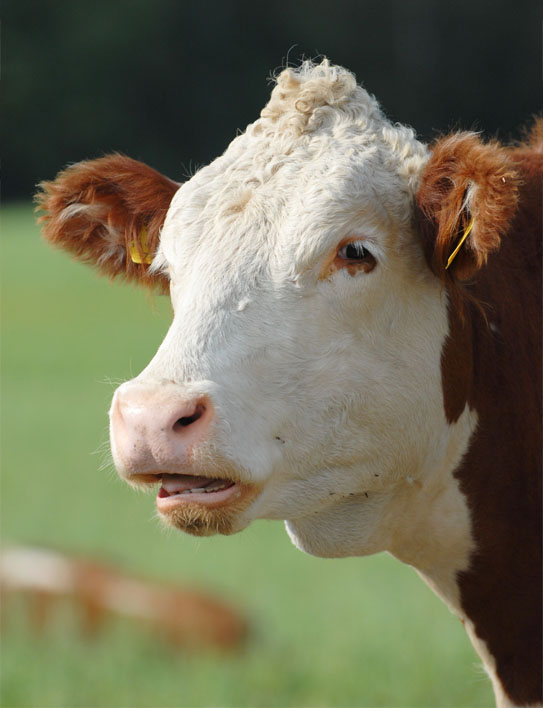
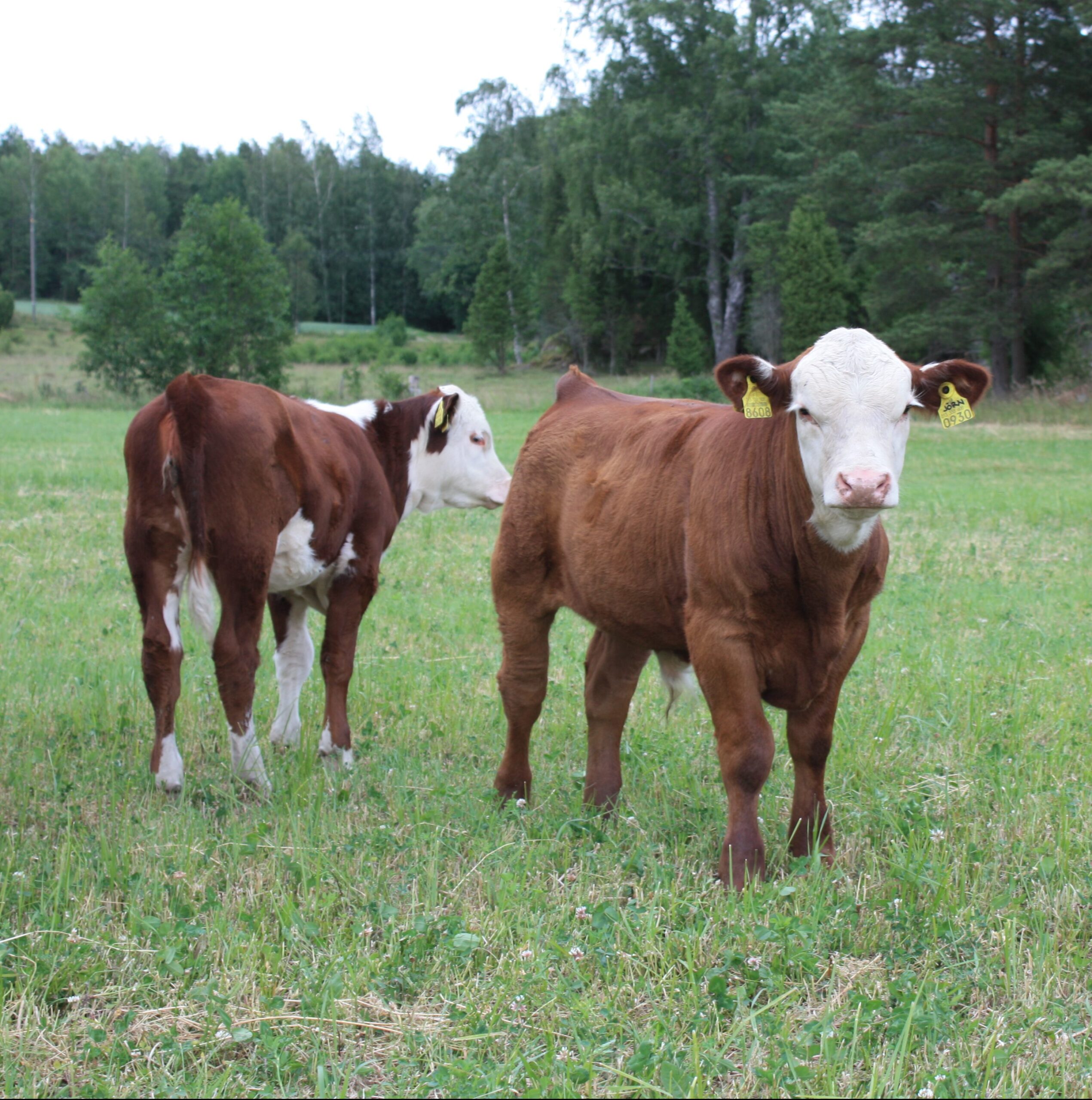
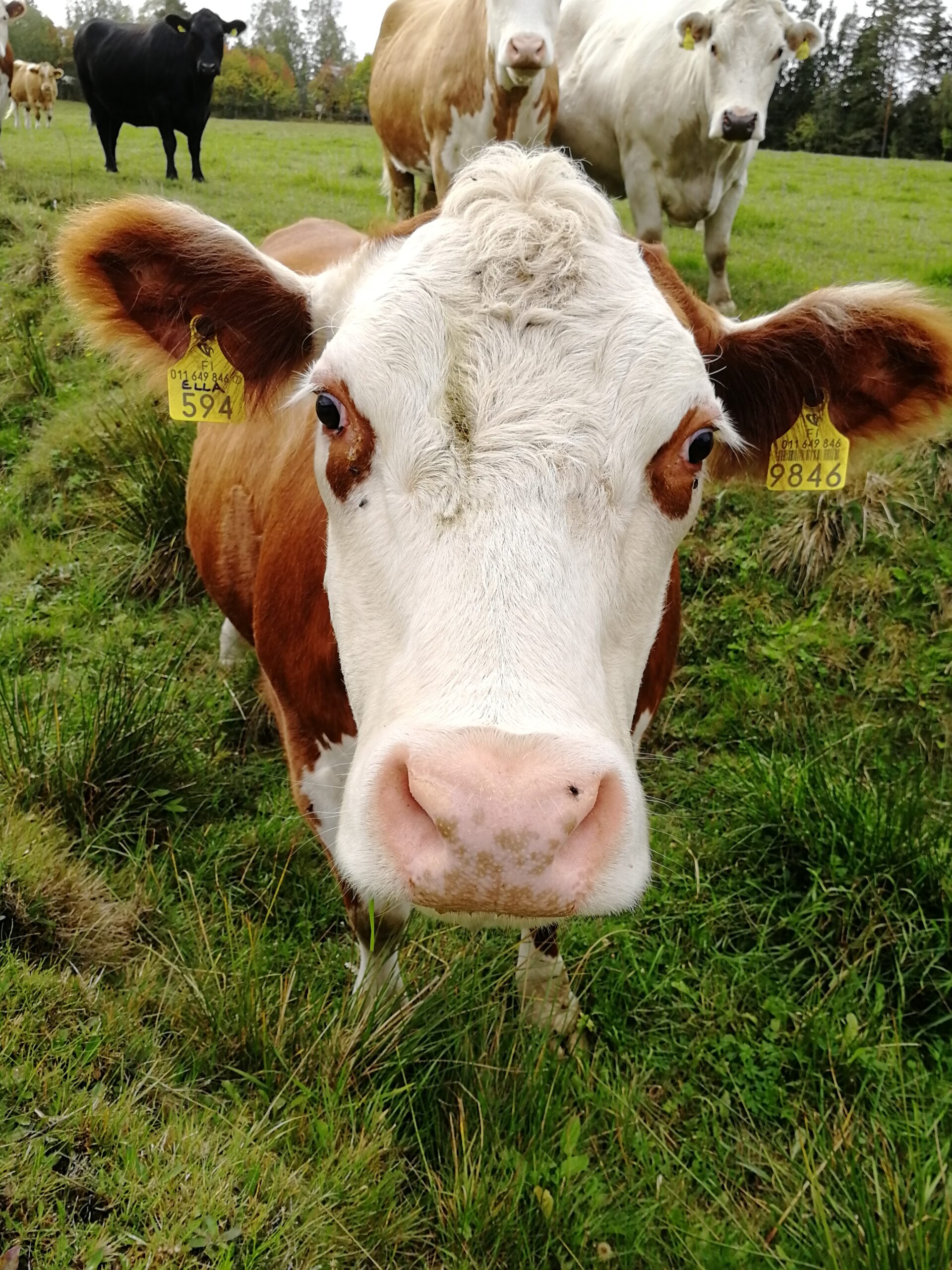
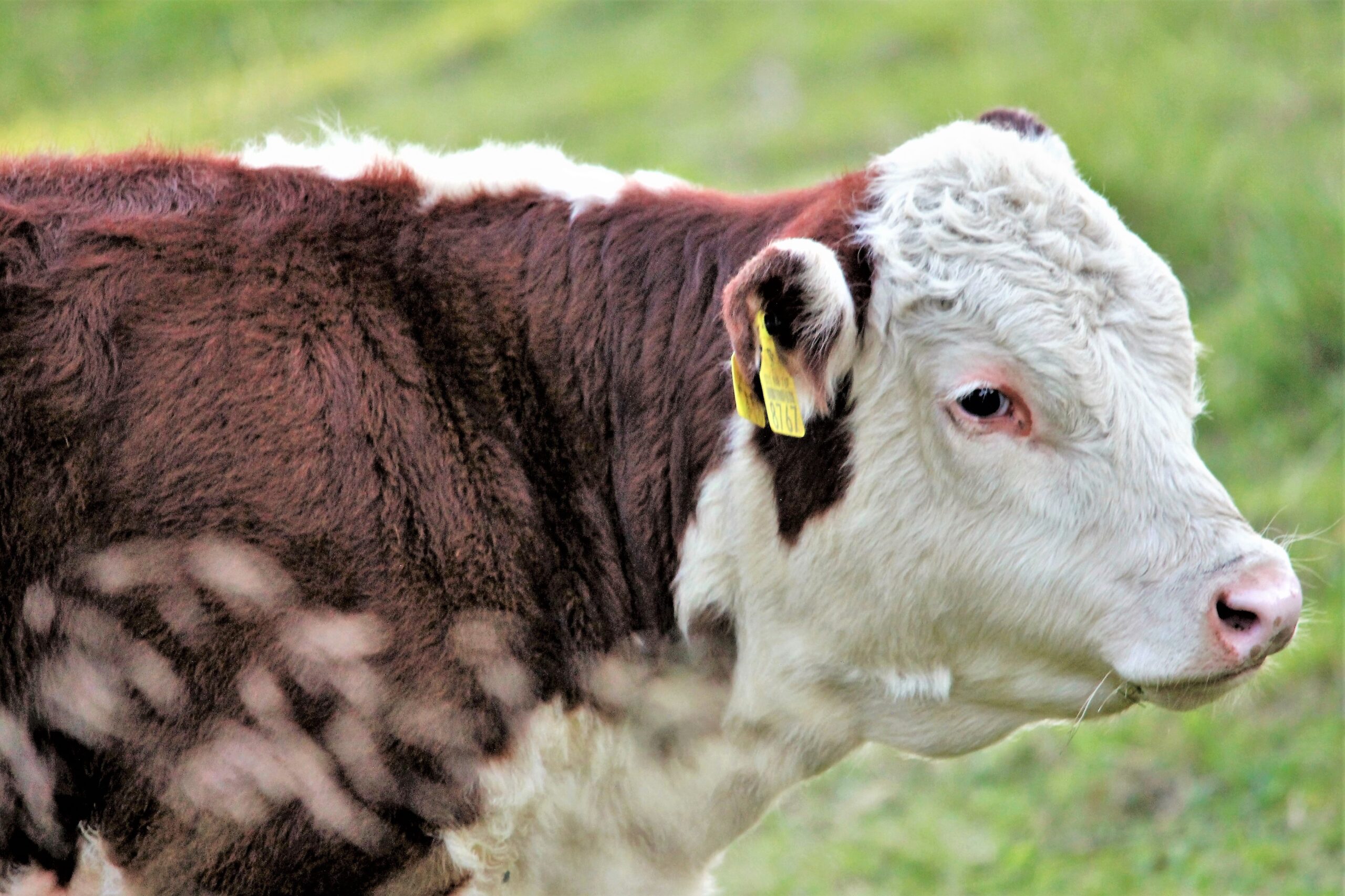
Riilahden kartanossa Bromarvissa kasvatetaan merellisissä maisemissa onnellista luomulihakarjaa. Karja on pääasissa Hereford-rotulihakarjaa. Lihaa tuotetaan luomusertifioituna eettisesti, ekologisesti kestävästi sekä vuodesta 2019 hiilineutraalisti. Meiltä voit ostaa puhtailla rehuilla ja hyvissä oloissa kasvatettua luomulihaa. Myymme lihaa suoraan kuluttajille, toimitukset n. kerran kuukaudessa, jakelualueena Helsingin alue ja Länsi-Uusimaa.
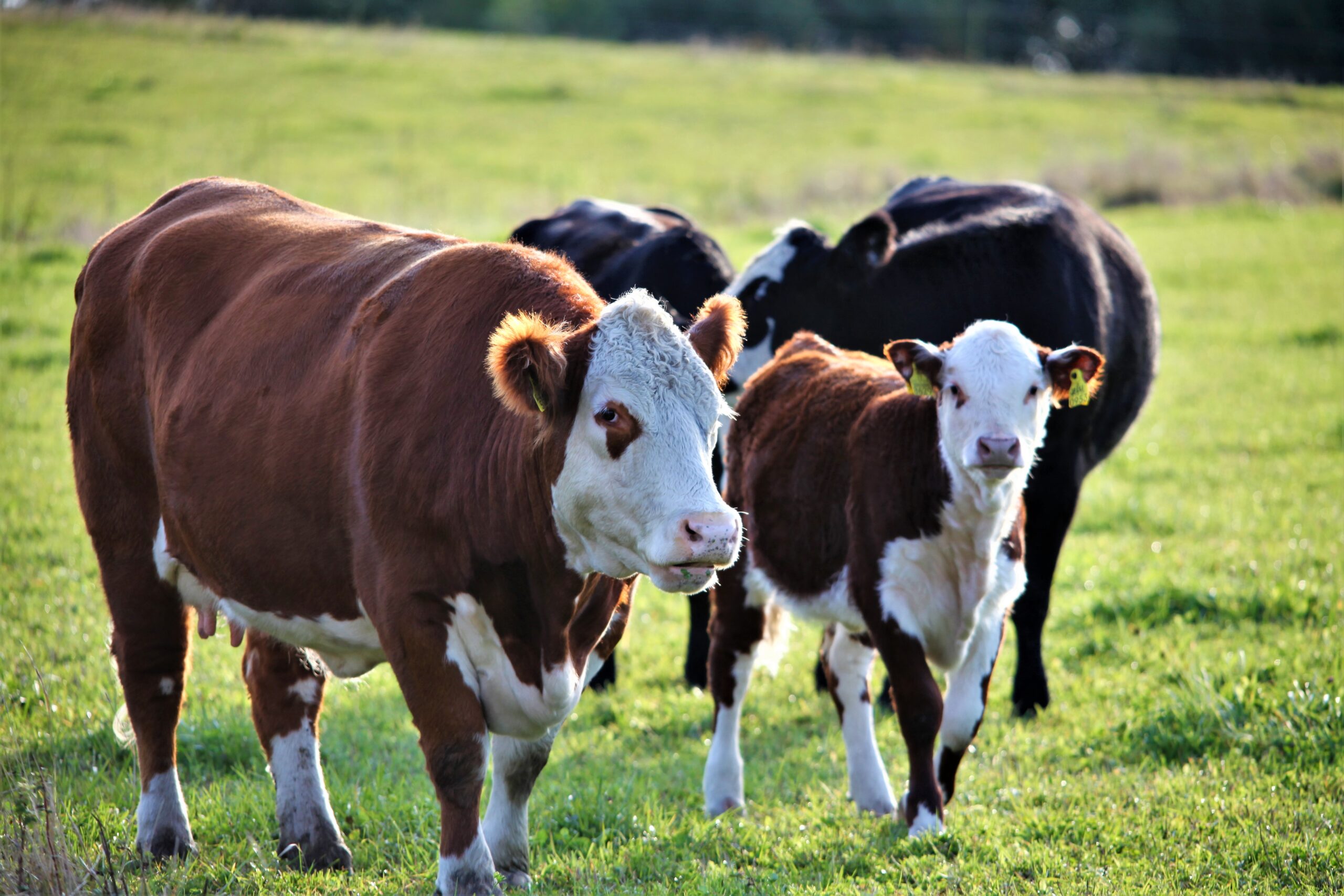
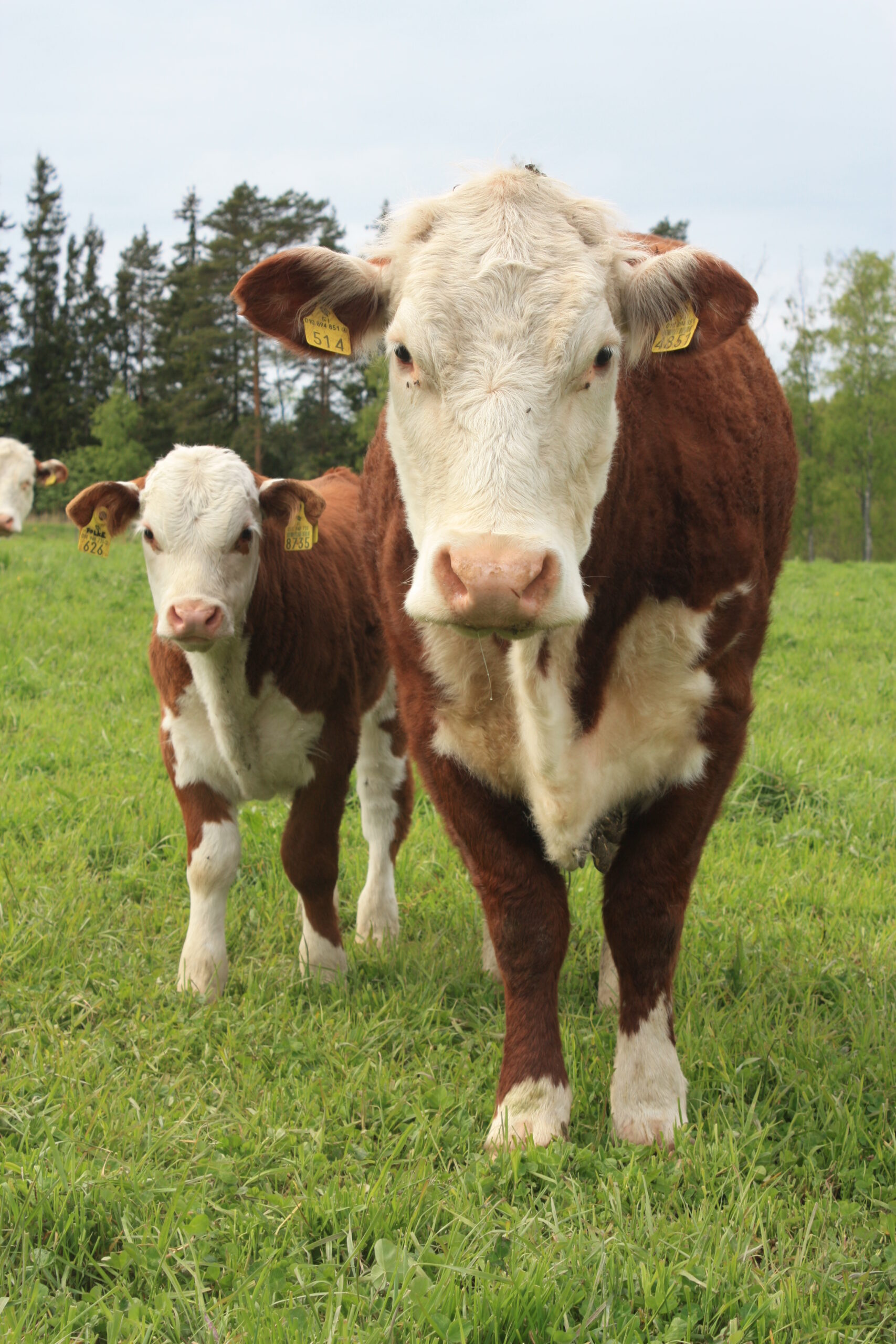
Riilahden Hereford luomuliha on laadultaan parasta mahdollista pihvilihaa ja tärkeinpänä; panostamme eläinten hyvinvointiin ja vapaaseen elämään ympäri vuoden. Emolehmät kasvattavat vasikkansa n. puolen vuoden ikään jolloin vasikat kasvavat emonsa maidolla ja laidunruoholla.
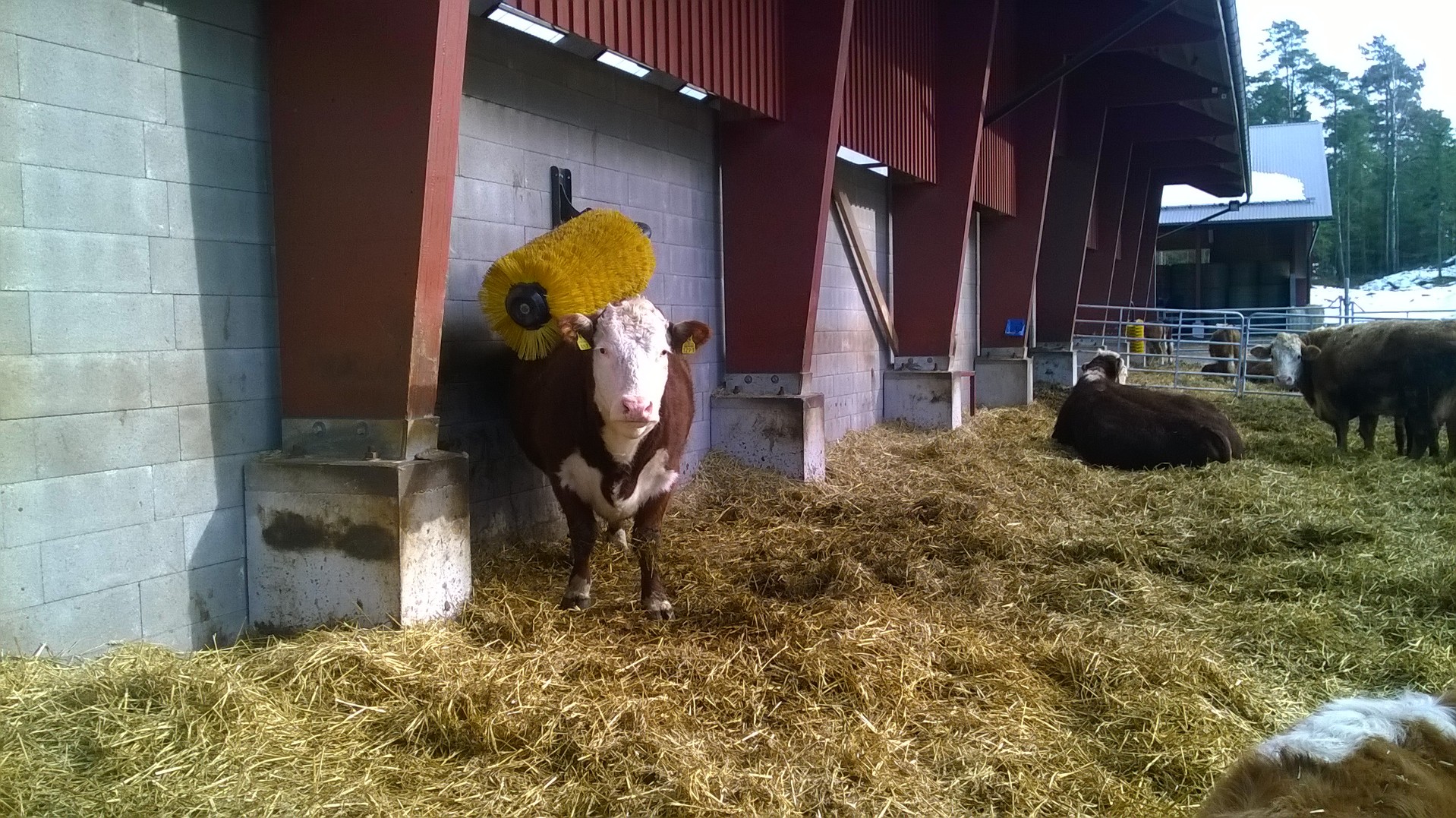
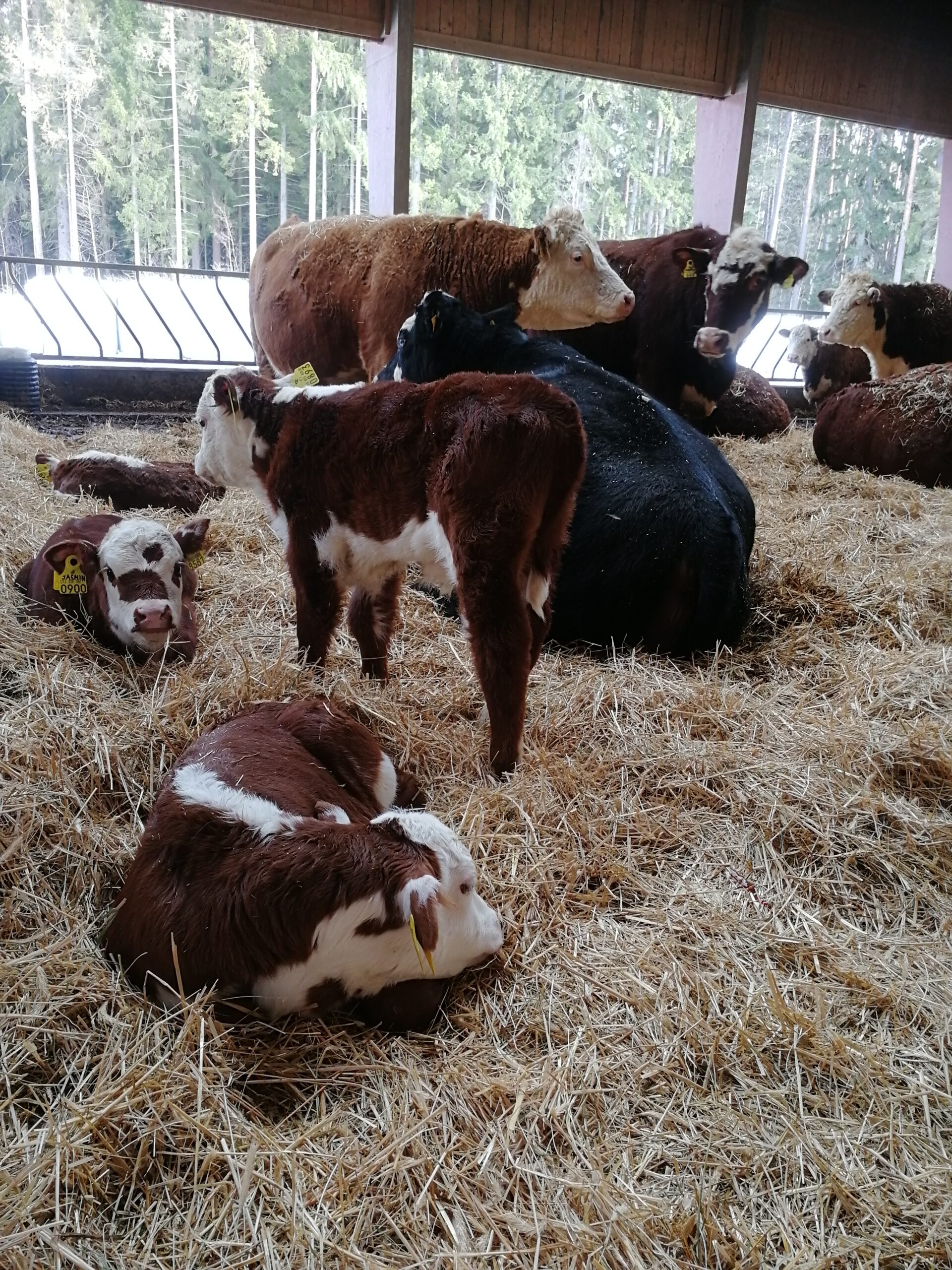
Laidunkausi on pitkä, lähes puoli vuotta ja vuonna 2014 valmistunut uudenaikainen pihattonavetta tarjoaa eläimille reilusti tilaa vapaaseen liikkumiseen, valoa ja raikasta ulkoilmaa myös koko talvikauden. Eläimet laiduntavat vaihtelevilla saaristoilaislaitumilla ja niityillä vasikoidensa kanssa koko laidunkauden tehden näin tärkeätä ympäristönhoitotyötä kulttuurisesti arvokkaissa maisemissa.
Tilaa oma luomulihalaatikkosi heti! Tilauksen voit tehdä kätevästi verkkokaupassa tai sähköpostitse: jessica.aminoff@rilax.fi. Vahvistamme aina tilauksen sekä toimituspäivän!
Huom! Kesäaikaan myymme lihaa yksittäispakkauksissa Bromarvin kesätorilla perjantaisin ja lauantaisin.
HEREFORD LUOMULIHALAATIKKO:
5 kg: 98 €
- 3 kg jauhelihaa
- 1 kg paistikuutio
- 1 kg paisti
10 kg: 200 €
- 6 kg jauheliha
- 2 kg paistikuutio
- 1 kg sisäpaisti/paahtopaisti
- 1 kg ulkofile/entrecote
20 kg: 372 €
- 12 kg jauhelihaa
- 4 kg paistikuutio
- 1 kg sisäpaisti/paahtopaisti
- 1 kg ulkopaisti
- 1 kg kulmapaisti
- 1 kg ulkofile/entrecote
Jauheliha erikseen myytynä 17,00 €/kg.
Yksilölliset toiveet voidaan ottaa huomioon, esim. keittolihaa voidaan lisätä tai erikoisgrillipaloja. Sisäfiléttä ja jauhelihaa voi ostaa myös erikseen.
Lihatoimitukset vuoden ympäri noin kerran kuukaudessa. Ostaessasi Riilahden Hereford-luomupihvilihaa tunnet lihan alkuperän ja tiedät ostavasi takuuvarmasti kotimaista ja puhdasta ruokaa.
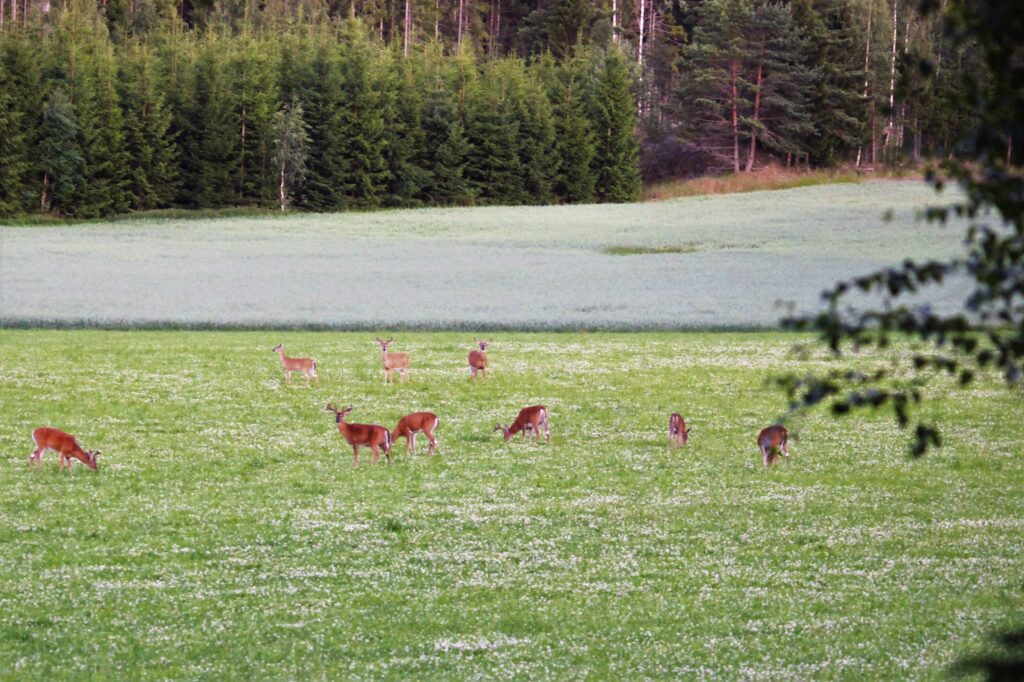
Syksyisin on mahdollista ostaa pieniä eriä peuranlihaa.
Voit myös lukea Riilahden luomupihvin matkasta lautaselle sekä tutustua luomutuotannon periaatteisiin!
The journey of Rilax’s organic steak to your plate
It is important to us to sell ethically produced meat that every consumer can buy with a good conscience. We ensure that the animal has a good life throughout its life cycle, freedom to move and clean, organic feed produced on our own fields. Medicines are allowed in organic production, but only with a veterinarian’s prescription and the withdrawal period is always double compared to conventional production. Antibiotics are never given preventively in Finland.
A calf is born
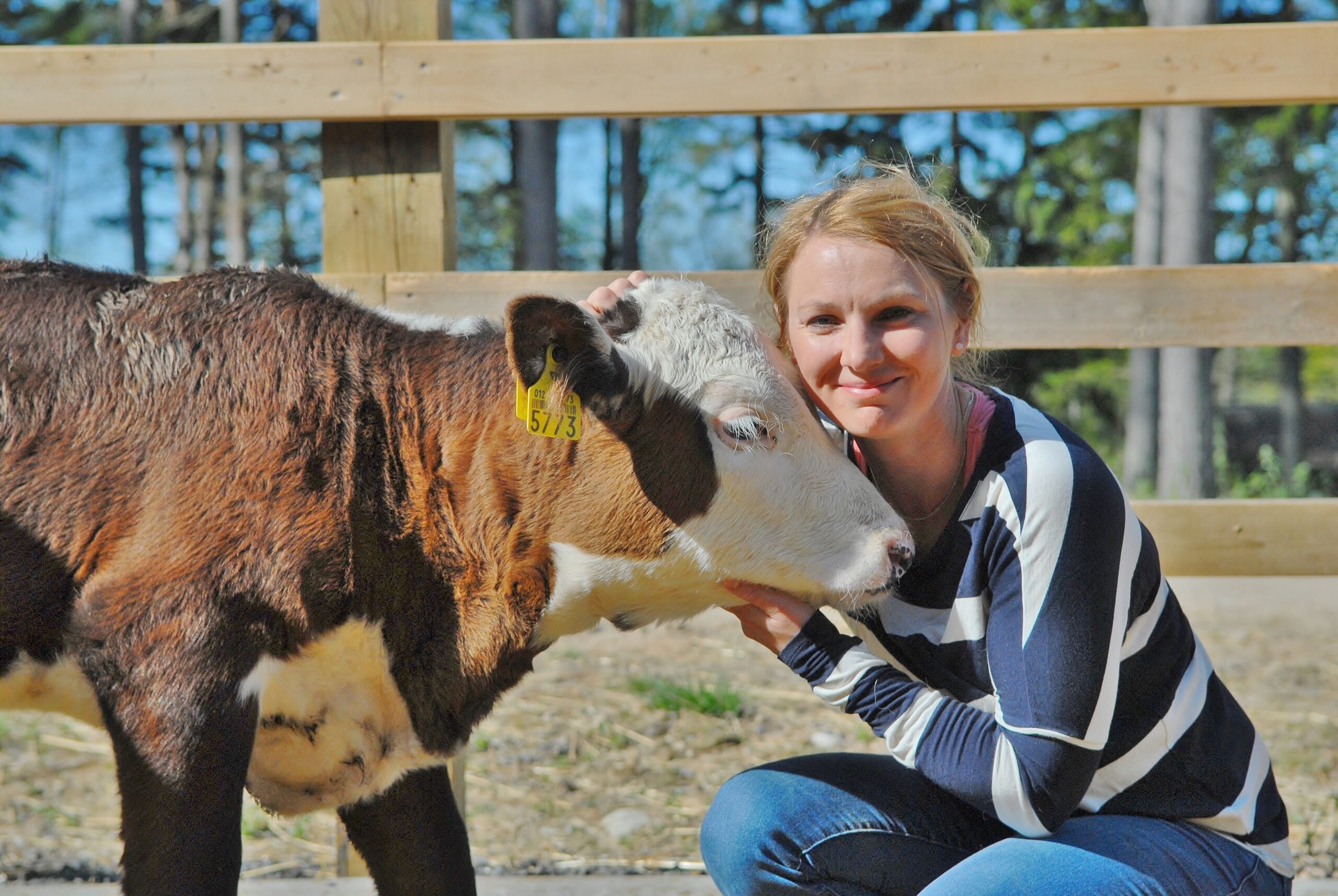
Sucker cows graze all summer with a breeding bull and thus become pregnant naturally. 9 months later, a calf is born. The calving season is in March-April. This way, the calves are born in a barn on a dry straw bed and grow up by summer so that they can use the pasture grass all summer. Suckler cows are allowed to give birth in peace in a large calving pen with video surveillance and humans only intervene in the process of childbirth if necessary. Each calf is checked, named and made sure that it finds its mother for the udder. A mother cow nurses her calf for about six months. So, mother cows do not produce milk for humans, but for calves.
Calf summer
In early May, cows and calves go to pastures where they graze in the archipelago meadows all summer. The calves play with each other, grow and get stronger a lot during the summer. During the grazing season, the cows also act as environmental stewards, preserving biodiversity and caring for cultural landscapes. The herd of cows is checked daily even during the grazing season.
Weaning
When the herd of cows arrives at the barn in the autumn, it is during the weaning period. The calves are divided into heifer and bull groups where they grow up throughout their youth. Weaning is a natural thing, calves are often quite independent already at the age of six months and are more interested in their playmates of the same age.
Winter
The calves live in a barn in the winter with free access to the outside. Rilax calves always have more space to move around than the regulations require. Even in severe frosts, the animals feel great outdoors when there is a dry straw mattress underneath. The calves grow on feed produced on their own fields, with silage (=grass) being the main feed.
Slaughter
The age of slaughter is approximately 1.5-2 years. The animals are slaughtered mainly at the small slaughterhouse in Inkoo, “Ethical Slaughterhouse Meat Gard”. Meat Gard is a small slaughterhouse that takes care of each animal individually. The journey in a transport truck takes just over an hour from Rilax. The slaughter truck drivers have good animal counting skills and the loading always goes smoothly, the animals walk into the truck themselves and usually remain calm during the entire transport.
Meat processing
The carcass is hung to achieve tenderness of the meat before it is cut and packaged. Even after packaging, the crumbling continues in the refrigerator. The minced meat is ground the same morning as the meat is delivered. We collect the meat ourselves from the packing house and deliver it fresh directly to the consumer in organic meat boxes or at the Bromarvi market (we are also present at various markets such as the Slow Food Festival). Vacuum-packed whole meat products will keep for weeks in the refrigerator, while minced meat should be frozen after a few days.
Transparency
We are proud to produce “happy Hereford organic meat” and believe that our meat can be eaten by anyone who loves quality meat, cares about animal welfare and is also concerned about environmental impacts. We strive for transparency in the care of our animals and meat production, which is why we organize open days, welcome group hikers by appointment, and openly talk about the entire life cycle of the animal. We believe that meat could not be produced in a more ethical, ecological or animal-friendly way!
What does Organic production mean?
Rilax estate switched to organic production in 2013, which means that the meat, grain and feed produced on the farm are clean and naturally produced. In addition to animal welfare, organic production also plays an important role in plant production, where no artificial fertilizers or pesticides are used. Fertilizers are purely of animal origin (manure) or plant origin. Grass farming binds nitrogen to the soil, and grass plants also bind carbon dioxide, meaning that grass farming plays an important role in our ecosystem. Finland is also a good country for grass farming; there is plenty of water here and it is not too hot. Therefore, it also makes sense to invest in grass farming and animal production in agriculture. Cows are a good way to turn grass into a form that is edible for humans, i.e. meat. When animal welfare is taken care of and the production is both ethical, ecological and clean, consumers should definitely support Finnish organic production.
Finland’s first carbon-neutral meat
We are proud to announce that, with the agreement signed with Nordic Green Solutions on 20 October 2019, Rilax’s Hereford organic meat has been the first in Finland to be certified as carbon neutral, meaning that the carbon emissions from beef production are fully compensated. The compensation will take place in Finland and more specifically in Rilax’s own forests! The agreement has been made for the next five years, but the carbon compensation will of course continue after that. For the purpose of compensation, we ensure that forests that are normally renewed at the age of 50-60 continue their rotation to at least 70-90 years, when carbon dioxide binding is at its highest. The extended rotation period will of course also reduce emissions caused by forest machinery.
Report
The report prepared by NGS includes the following on carbon neutral meat production:
The carbon footprint of beef
The environmental load caused by meat production has become a strong topic of discussion on a societal level. Growing concern about the future of our planet has led people to become more interested in the environmental impact of their food. In beef production, methane produced by cattle as they ruminate often comes up in discussions about climate change. New innovations are currently being developed to reduce methane emissions from cattle.
In Finland, most of the environmental impact of meat comes from feed production. Ruminants also produce methane, which also has its own climate impact. Its significance for the environmental impact of beef is of the same order of magnitude as feed. The feed consumed by cattle consists largely of grass-based silage, the production of which at best sequesters carbon from the atmosphere. However, little research has been done on the carbon sequestration of grasslands, and experts disagree about their effectiveness. At best, carbon sequestration of grasslands would significantly reduce the environmental impact of cattle.
By preferring domestic products, you can reduce the environmental impact of your diet. By consuming domestic food, carbon emissions resulting from long transport distances are avoided, among other things. The water footprint of products produced in Finland is also significantly smaller than that of foreign products.
The UN Food and Agriculture Organization (FAO) estimates that all beef produced in the world has 46.2 kg of carbon dioxide equivalent per kilogram of meat produced. This figure is approximately double or triple the environmental impact of meat produced in Finland. The most significant difference is that in Finland, corn or soy is not used as cattle feed. The most important thing is to consume ethically produced domestic quality meat.
The Natural Resources Institute Finland estimates that the carbon emission of all beef produced in Finland is approximately 20-30 kg CO2e per kilogram of meat produced. Farm-specific differences have significant effects on the environmental impact of the meat produced. Other experts estimate the environmental impact of domestic beef to be approximately 15 kg CO2e per kilogram of meat produced.
The annual carbon emissions from Rilax’s organic meat production are 120,000 kg CO2e/year based on the average determined by experts. The estimate uses a value of 20 kg CO2e per kilo of meat produced.
Hiilijalanjäljen kompensointi
Rilax’s organic farm wants to further reduce the environmental impact of the meat it produces. Ecological and sustainable production has been part of the farm’s everyday life for a long time. From 2019 onwards, the farm wants to produce carbon-compensated, or carbon-neutral, organic meat. In this case, the carbon emissions from meat production will be compensated with the help of Finnish forests. The carbon footprint compensation utilizes the extended rotation project created by NGS Finland Oy, which extends the rotation period of a forest area under threat of final felling. The project involves gathering relatively young and growing forests, the next measure of which would be final felling.
Rilax estate’s carbon offset is collected from the farm’s own forests, whose rotation period is extended by at least five years. In concrete terms, the extension of the rotation period means a transfer to logging, which continues carbon sequestration, preserves carbon stocks, prevents emissions from felling, and strengthens biodiversity.
NordicGreenSolutions provides the farm with the necessary calculations to implement the carbon offset and maps out suitable forest areas for the project. NGS Finland Oy’s calculations are based on research results created by leading experts in the field and universities. The calculations use a margin of at least 20% to ensure that compensation is achieved.